




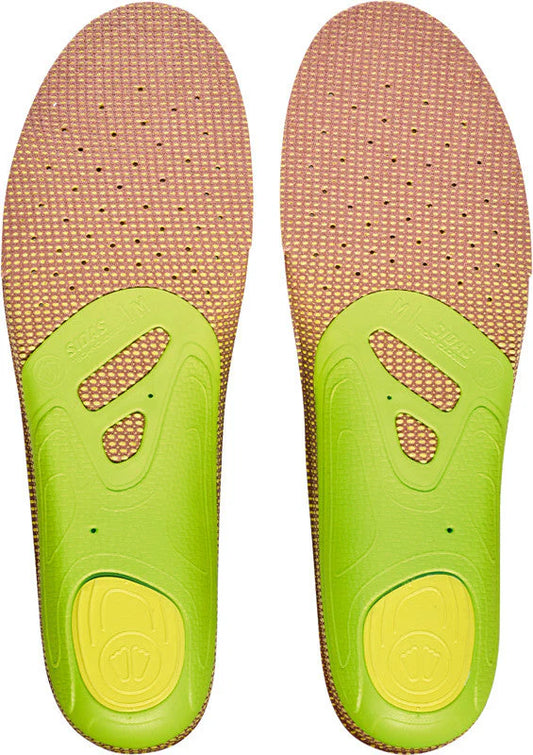


Why specialised insoles improve hiking
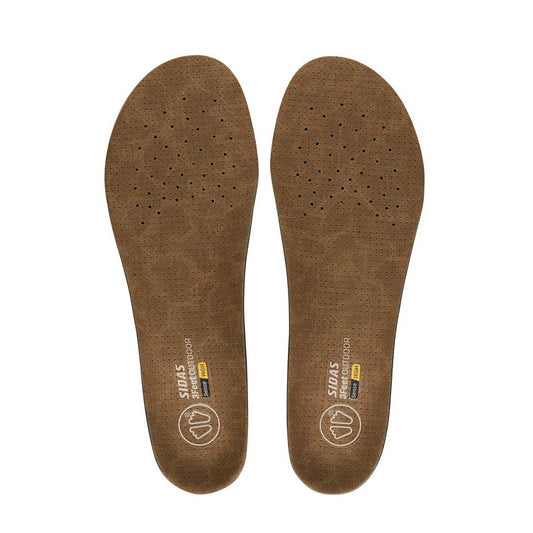
When hiking — whether on forest trails, rocky paths, uneven terrain or long days — your feet are subjected to significant stress: repeated impact, shocks, uneven ground, rigid footwear, heavy loads (backpacks), muscle fatigue and humidity. The ‘standard’ insoles that come with shoes do not always offer the right balance between support, cushioning, stability and comfort. Installing insoles designed for hiking transforms the experience: they distribute pressure, cushion impacts, stabilise the foot and reduce fatigue — allowing you to walk longer, more comfortably, and with less risk of pain or injury.
The advantages of Sidas insoles for hiking
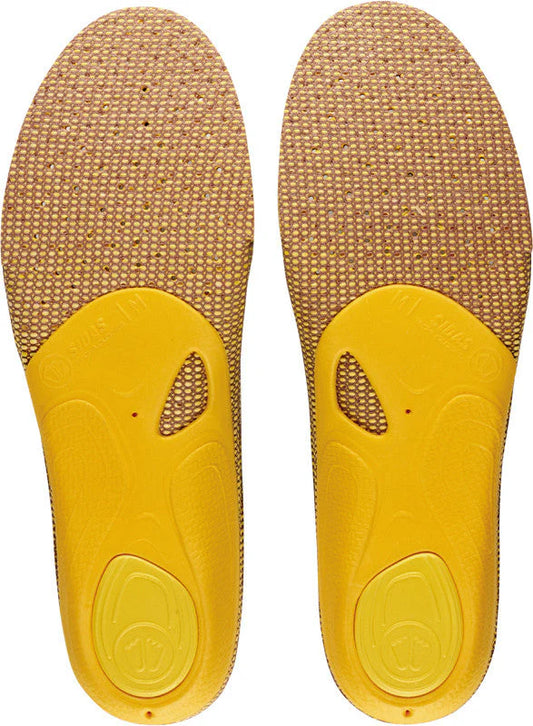
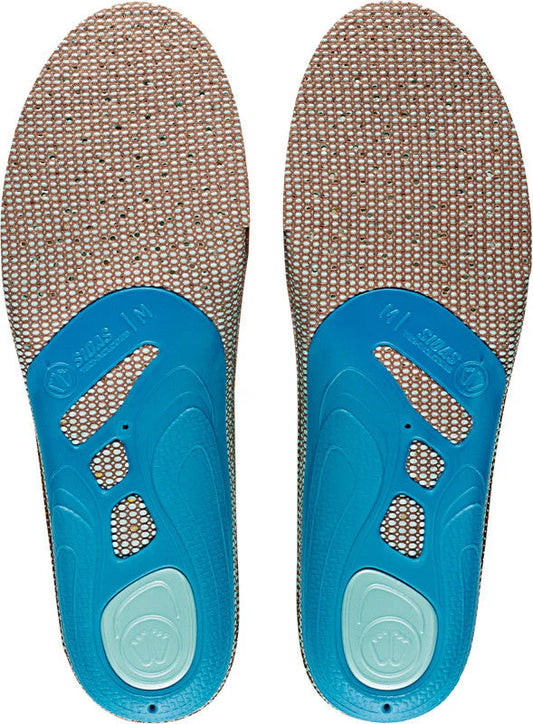
- Cushioning & shock absorption: some models incorporate dynamic gel and a TPU shell to absorb the impact of each step. This protects the joints (knees, hips, spine), reduces vibrations and makes descents more comfortable.
- Anatomical support & stability: the structure is designed to secure the heel, support the arch of the foot and keep the foot in place in the shoe — a crucial advantage on uneven or unstable terrain. This improves balance and minimises the risk of twisting or missteps.
- Pressure distribution + long-lasting comfort: by distributing pressure more evenly across the entire surface of the foot, the insoles prevent pain in the heel, forefoot or arch — and prevent the appearance of ‘hot spots’, blisters or irritation, even after hours of walking.
- Better control and stride efficiency: good support and stable foot-shoe contact improve energy transfer — useful when climbing or descending, on technical terrain or when carrying a heavy load — optimising effort and maintaining efficiency over time.
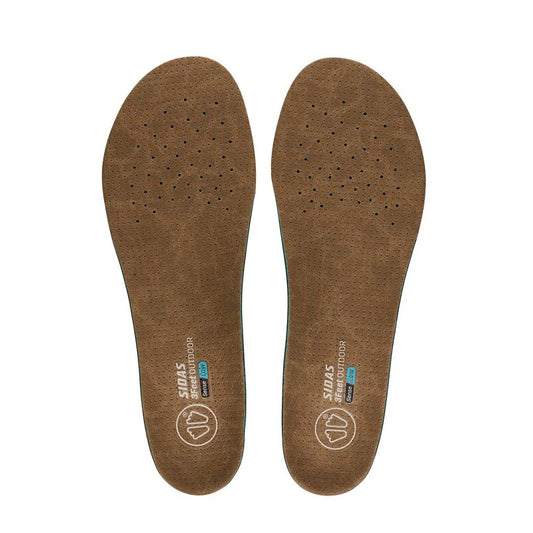
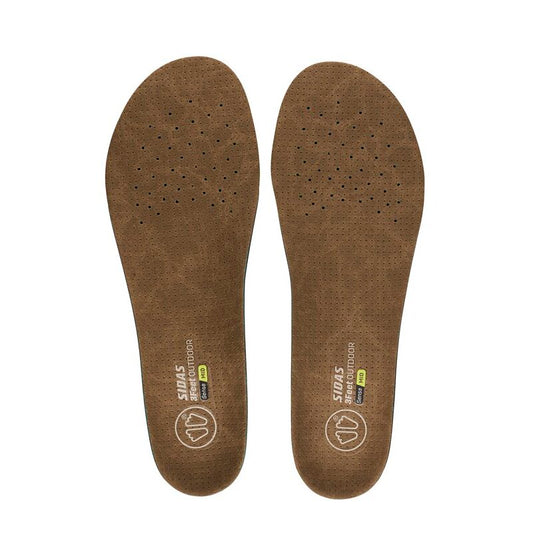
- Versatility and adaptation to the foot: Sidas offers insoles adapted to different foot types (flat, medium or high arches) and for different uses (hiking, city walking, trekking, long walks), making them suitable for a wide range of hikers.
Who are these hiking insoles designed for?
- Regular or occasional hikers: day trips, weekends, treks, technical hikes or long walks.
- Those who use hiking boots, boots or outdoor shoes and want to improve comfort, increase endurance, reduce fatigue or avoid pain.
- People with sensitive feet (weak arches, risk of blisters, reactive heels or metatarsals), or who carry a heavy bag — good cushioning and support make all the difference.
- Those looking for a balance between comfort, performance and protection — whether for gentle hiking or challenging trekking.
Expert advice on how to use your insoles
- Replace the original insole rather than stacking — remove the inner sole provided before installing the Sidas insole to maintain a good fit.
-
Choose the insole according to your foot and use — arch, terrain, duration, type of shoes: a suitable insole makes all the difference.
- Combine insoles + technical socks + suitable shoes — to maximise comfort, support, moisture wicking and breathability.
- Test on short hikes first — to check comfort, support and fit before setting off for several hours or days.
- Maintain your insoles — gentle washing, air drying, avoid radiators: this preserves cushioning, shape and longevity.