HOW TO AVOID BLISTERS ON YOUR FEET?
You know the saying: prevention is better than cure!
Here, as elsewhere, prevention is the best strategy. Because simple actions, good habits and quality equipment can save you a lot of trouble.
Here is some expert advice from Marie Maligorne, head of our sports podiatry centre:
1/ Choose well-fitting shoes – neither too big nor too small
A well-fitting shoe should: support the foot without squeezing it, prevent areas of friction and provide enough space for your toes.
Warning! Shoes that are too tight create pressure points, whilst shoes that are too loose allow the foot to slip around. Hence the importance of seeking guidance from one of our expert advisors when buying your running, trail or hiking shoes at one of the SIDAS partner stores.
2/ Wear technical socks
Socks play a vital role as they are in direct contact with your skin. You should therefore choose technical socks for: their breathability, i.e. their ability to wick away moisture; their fit, i.e. their support; and their cushioning, to provide comfort to the most sensitive areas.
Our Sidas technical socks are the result of fifty years’ expertise in foot comfort. To find out which ones are best suited to your sporting or outdoor activity, click on the link above.
3/ Use suitable insoles
insoles for your sport help stabilise the foot by distributing pressure evenly. They therefore improve your overall comfort, thanks to an unrivalled feeling of cushioning.
4/ Toughen up your skin
Beyond making an informed choice of equipment – shoes, socks and insoles – we recommend preparing your skin for friction by toughening it up.
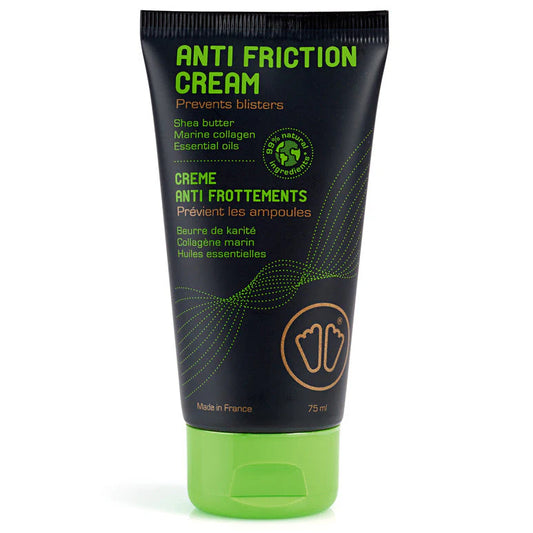
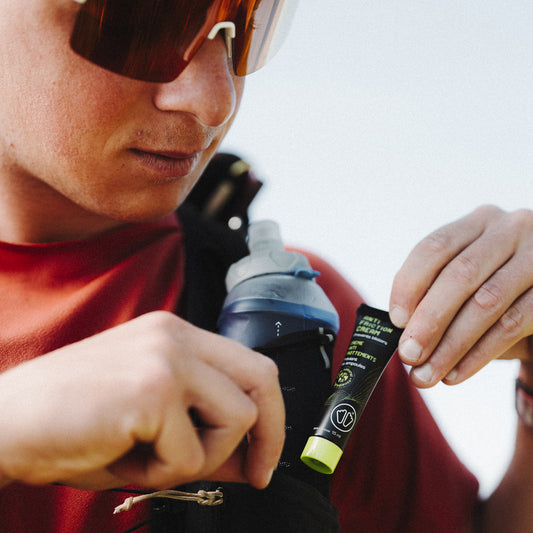
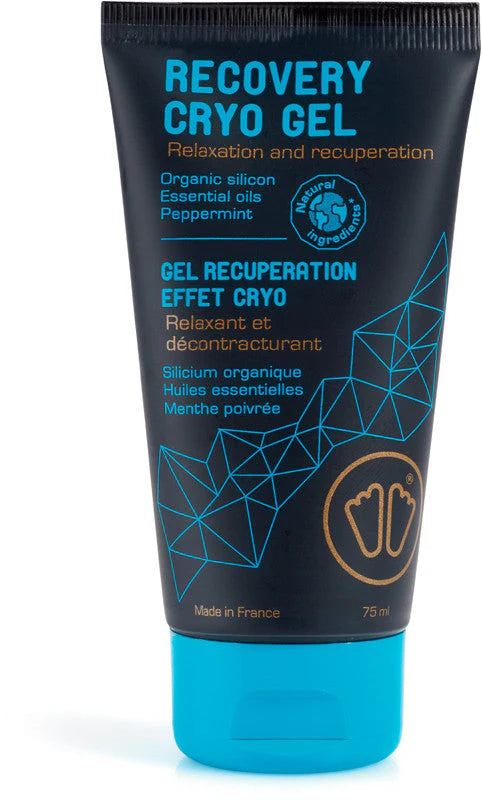
Having a pedicure, following a tanning routine or applying an anti-chafing cream protects the most sensitive areas with a level of effectiveness that will surprise you.
5/ Avoid brand-new footwear
Setting off on a trail run or a long hike in brand-new shoes is a major mistake and should be avoided at all costs. Indeed, new shoes that have never been tested can create unexpected pressure points and particularly unpleasant chafing.
6/ Keep your feet dry
Because moisture is the worst enemy of your feet and their comfort. Sweat, rain or crossing streams soften your skin and make it more vulnerable to repeated friction. Keeping your feet dry therefore limits irritation.
7/ Pay attention to your lacing
Poorly adjusted lacing can cause micro-movements of the foot inside your shoes, leading to dangerous friction. Precise lacing, on the other hand, promotes foot stability and reduces back-and-forth slippage with every step or stride.
8/ Avoid creases in your socks
A crease in a sock acts as a constant pressure point and inevitably, at some point, becomes a sensitive area.
9/ Act at the first signs of irritation
A blister usually starts with a slight burning sensation, which we tend to ignore so we can stay focused on the goal! Big mistake! The sooner the friction is addressed, the easier it will be to treat. If you feel the slightest discomfort, take a few minutes to stop, readjust your sock and protect the area immediately. Better a short break than a complete stop!
‘Socks play a vital role in preventing blisters as they are in direct contact with your skin.’
HOW TO TREAT A BLISTER ON YOUR FOOT?
If it couldn’t be avoided, there is still hope: yes, the blister on the sole of your foot can be treated! If prevention wasn’t possible, here is some advice from our Sidas experts on how to treat it.
The number one key to minimising pain, avoiding infection and promoting healing is to act quickly.
Next, here are some good habits to adopt to relieve the blister depending on the situation.
A/ If the blister is intact...
- Do not pierce the blister. If the blister is still closed, that’s a good sign: the skin continues to act as a natural barrier. Piercing it would increase the risk of infection.
- Soak your feet in an ice-cold bath. As a blister is an inflammatory reaction, exposing it to the cold will help reduce the swelling.
- Clean the area. Gently wash the foot with soap and water to prevent infection.
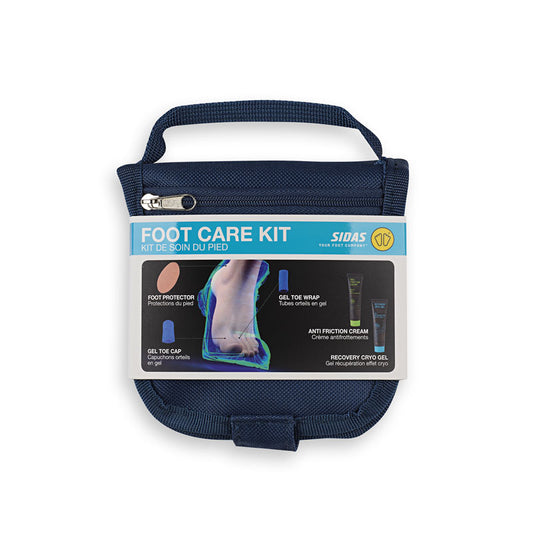
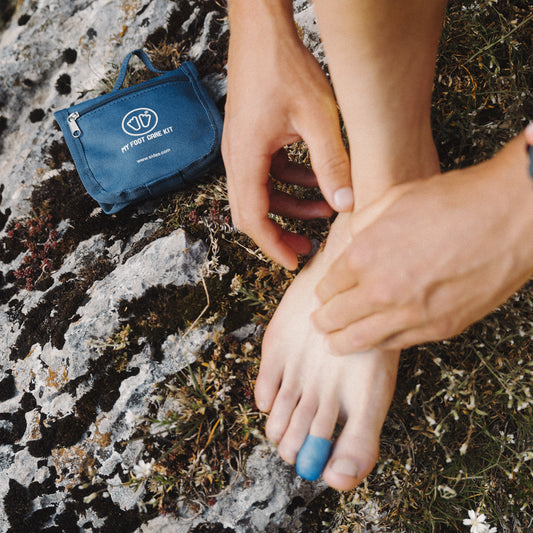
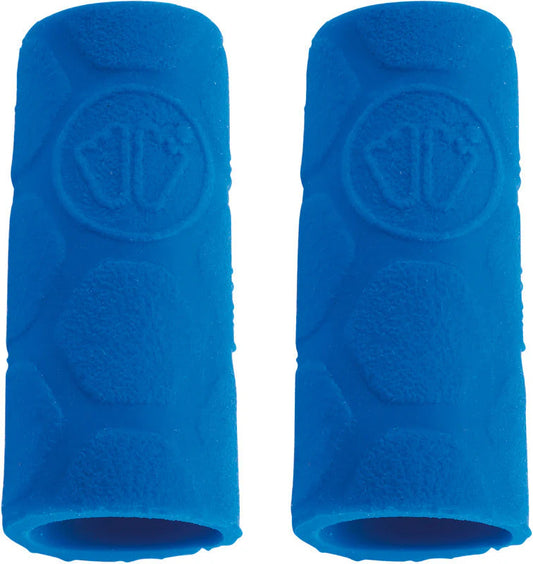
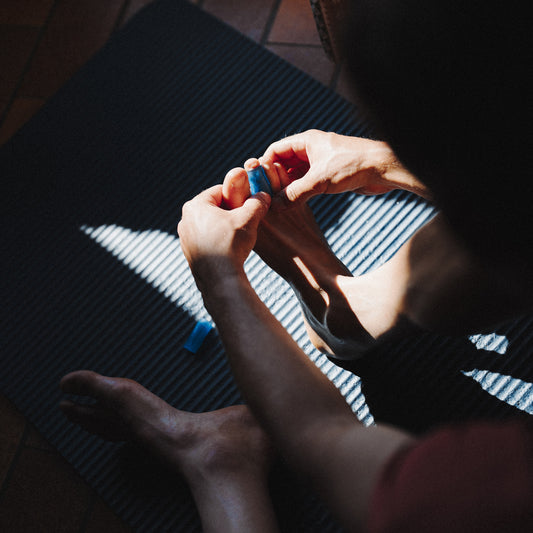
- Protect the blister. How? By applying a specific Sidas blister protection which reduces friction and relieves pressure.
- Let your feet breathe. This is the perfect time to walk barefoot or wear your most breathable shoes.
B/ If the blister has burst...
- Clean and disinfect the wound thoroughly. Ensure that the blister no longer contains any fluid.
- Preserve as much skin as possible. If a small flap of skin is still present, leave it. It will act as a natural barrier during healing.
- Protect the blister. How? By applying a specific Sidas anti-blister protection product, which reduces friction and relieves pressure.
- Let your feet breathe. This is the perfect time to walk barefoot as much as possible or wear your most breathable shoes.
- Monitor the healing process. Generally, a blister heals within a few days.
C/ Relieving a blister whilst active
You’re walking, running or skiing, and the burning sensation is starting to turn into pain. There’s a good chance the friction is developing into a blister. Don’t worry: there are some temporary solutions that can help you finish your activity (trail running, hiking, trekking) without aggravating the injury!
- Immediately protect the area with a specific Sidas anti-blister pad to reduce friction and relieve pressure.
- Adjust your socks and shoes. Check that no creases, pressure points or awkward lacing are exacerbating the irritation.
- Learn from your mistakes. Don’t hesitate to follow the steps above to prevent blisters and ensure you never find yourself in this awkward situation again.